As parents, we often wonder how to best support our children’s learning and development, especially during their early years. Children aged 3 to 6 are like sponges, soaking up knowledge and experiences that shape their understanding of the world.
Here’s a breakdown of how children learn at each age, along with tips for fostering their growth.
Learning at Age 3
How They Learn:
At this age, children are exploring their environment and beginning to understand basic concepts. They learn best through hands-on experiences and play, which allows them to experiment and make sense of their surroundings.
Tips for Parents:
Encourage Play: Provide open-ended toys and materials that allow for imaginative play, such as blocks, dolls, and art supplies.
Explore Together: Go on nature walks, visit local parks, or explore your neighborhood to engage their curiosity.
Read Daily: Choose colorful books with simple stories. Ask questions about the pictures and encourage them to describe what they see.
Four-year-olds start to develop more complex thinking and problem-solving skills. They become more independent and enjoy group interactions. They learn through exploration, social play, and storytelling.
Tips for Parents:
Promote Social Skills: Arrange playdates or group activities where they can interact with peers, fostering communication and cooperation.
Encourage Storytelling: Invite them to create their own stories using pictures or toys, enhancing their language skills and imagination.
Introduce Simple Rules: Use games and activities to teach them about turn-taking, sharing, and following rules in a fun way.
Five-year-olds are often more focused and eager to learn new concepts. They start to grasp basic academic skills, such as counting and letter recognition, and they thrive on routine and structure.
Tips for Parents:
Incorporate Learning into Daily Life: Use everyday activities, like cooking or shopping, to practice counting, measuring, and letter recognition.
Explore Interests: Pay attention to what captivates their attention and explore those interests further—whether it’s dinosaurs, space, or art.
Provide Choices: Allow them to make choices in their play and learning activities to promote independence and decision-making skills.
At age six, children are often ready for more structured learning environments. They develop critical thinking skills and begin to understand concepts like time, money, and simple math. Social skills are also essential, as they navigate friendships and group dynamics.
Tips for Parents:
Encourage Critical Thinking: Ask open-ended questions during play and daily routines to promote problem-solving and critical thinking.
Support Their Education: Engage with their schoolwork by asking about their day, helping with homework, and celebrating their achievements.
Cultivate a Love for Learning: Provide access to books, educational games, and resources that align with their interests, making learning enjoyable.
Understanding how your child learns at each stage can help you tailor your approach to their development. Remember, every child is unique, and learning is a journey. By fostering curiosity, creativity, and critical thinking, you can set the foundation for a lifelong love of learning. Embrace these early years—they’re filled with incredible discoveries and growth!
Looking for some fun activities to do with your little ones this week that are not only fun but actually have a huge developmental impact too?
Well we have some amazing activities in store for you, they are created by an Occupational Therapist and Early Years/Foundation Phase Teacher Bellala and have been put in practice in their therapy and classrooms as well as in our homes, the little ones just love them!
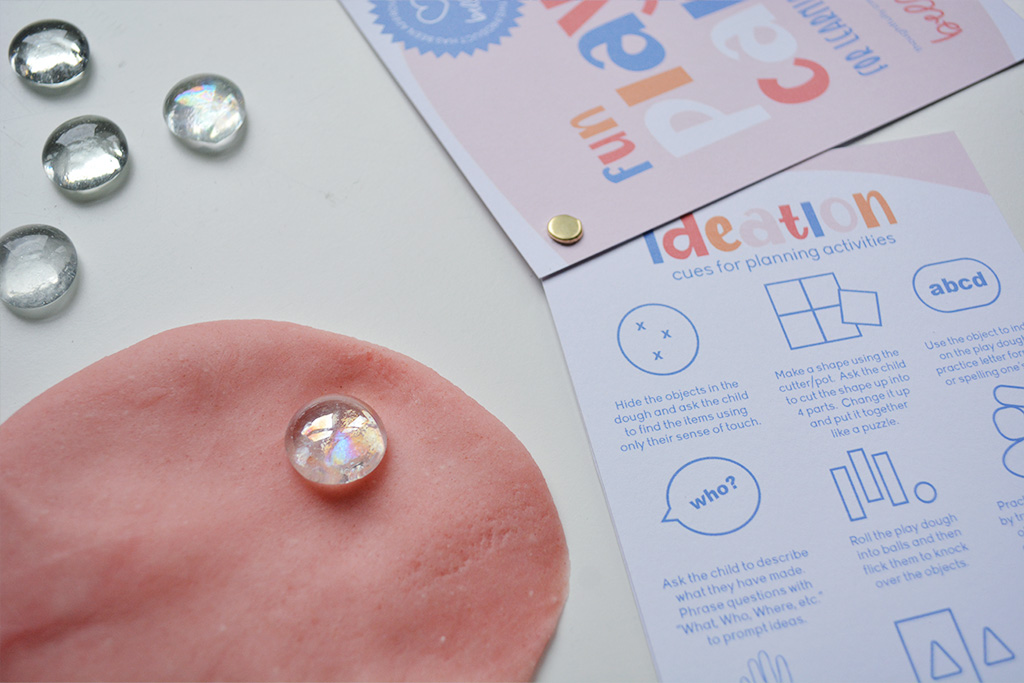
The idea of this blog post is to help you provide the child with verbal and visual cues to assist with ideation. Ideation forms part of the planning process and this is important as it is the first step of coming up with a plan. By asking certain questions or by placing equipment strategically, this can assist the child to further their plans independently. If you find that the child struggles with following an instruction, guide them by providing the first step in the process only to determine whether they can continue planning independently. If the instructions are too easy for the child to do, add additional instructions which will make the activity more of a challenge.
For all of these tasks you will need the following items to start: – a Dough Animal play kit (if you don’t have a play kit you can also just use a pot of play dough) – small items from around the house/garden – don’t worry you’ll be collecting these within the activity.
This week’s activities have a focus on fine motor skills, the tactile system, bilateral coordination, letter formation and spatial skills.
1. Hide & Seek
You can start this activity off by doing a little treasure hunt either outside in the garden, around the house, in the toy box or you can pre select a number of small objects for this task. Keep these objects small, giving the child this extra task of size is great for spatial skills awareness.
The idea is to hide objects in the play dough and ask the child to find them using only their sense of touch, working on their tactile system.
If you have number of different objects, you can add another task on top of this by having them close their eyes when feeling for the objects and to guess which object they are holding, before opening their eyes to see if they are correct.
It’s so much fun that you’ll be covering and uncovering objects all day.
2. Learning About Pressure
Previous
Next
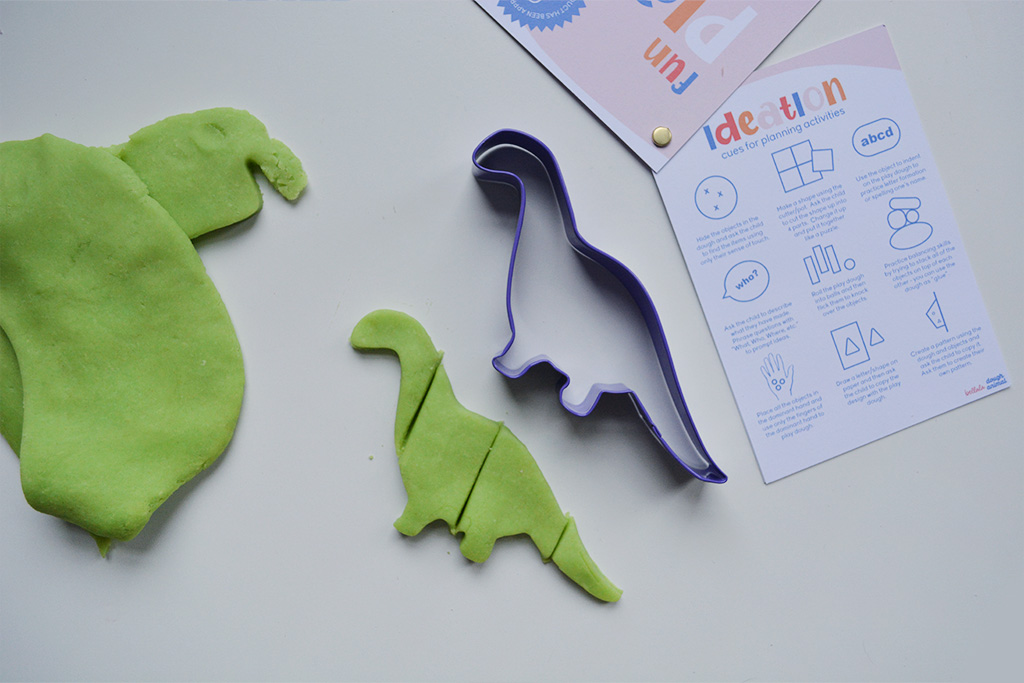
For this activity you’ll need one of our cookie cutters. Our cookie cutters are not only great for play dough fun but you can also use them for creating shapes in other craft projects, and even for baking biscuits.
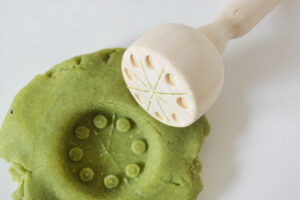
So you’ll ask the child to take the cutter and press it down using two hands. They’ll practice pressing down hard and pressing softly with the cutter and then you’ll discuss what happens with light versus hard pressure.
Does light pressure cut right through the play dough?
Does hard pressure make a new shape in the play dough?
If you don’t have a cookie cutter, you can also use your dough pot or lid with the hollow side facing down.
3. Fun Way to Spell
Find a small object with a blunt point for this next one. Our favourite is a stick from the garden or some small stones.
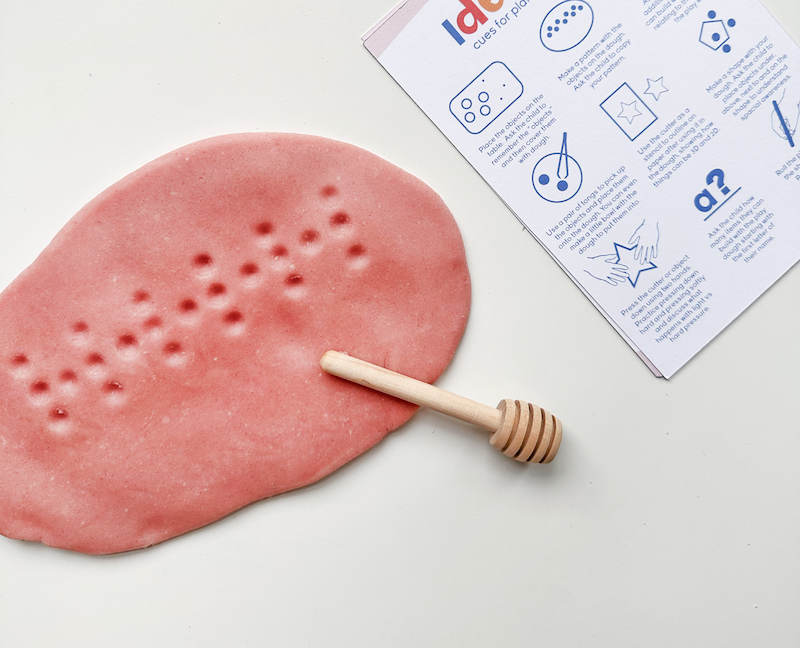
Use the small object to indent on the play dough to practice the alphabet from A-Z. You can do this by placing small objects like stones in the letter formation or by using a sharper object like a stick to indent in thee play dough. Practice saying the letters out loud as you do this activity.
You can then move on to spelling out their name, you can help by doing your own play dough indentation or by writing with a marker on paper.
4. Memory Game
If you kept your small objects from the first activity, you can use them for this activity, if not, then it’s time for another fun treasure hunt, yay!
Place all the treasures including favourite small toys into your Dough Animal bag or a pillow slip if you don’t have a bag. Make sure your little one knows what they are putting in the bag, you can have a conversation about each object, how it smells, looks, what it feels like and what it does.
Then, ask the child to find an item in the bag by only feeling with their hand. This is a great activity for memory as well as tactile development.
5. Time for a Puzzle
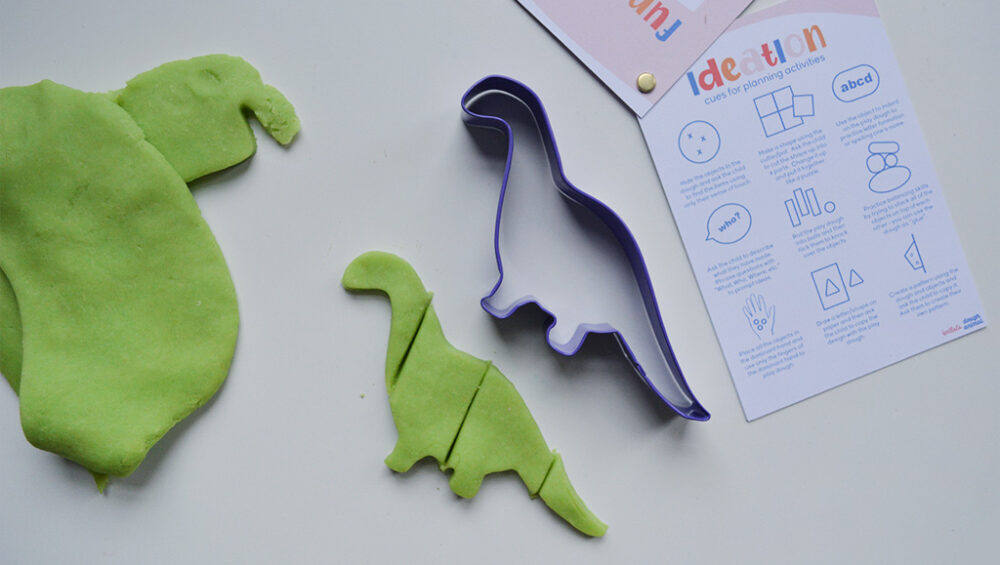
We all love puzzles, so we’ve created a fun puzzle activity using your Childs favourite cookie cutter shape or you can use a cup/bowl to create the shape if you don’t have any cutters.
Press the cutter into the play dough to create the shape. Then ask the child to cut up the shape into 4 parts using a blunt bread knife or a dough cutter.
Then you need to change the order of the pieces and ask the child to put the pieces back together like a puzzle.
That's it! Loads of fun while learning through play.
And remember, that each of these activities, although they may seem simple, they are extremely stimulating and can take a lot of focus and attention for a little one to achieve.
You don’t need to do them all in one sitting but rather space them out over the week for 5 days of fun.
If you feel your little one needs a break, have them just play with the dough and objects in front of them without instruction, or they can create their own game.
The key to learning is play!
Make sure to check back for more activities, or sign up to our newsletter!
Activities that reception teacher Danni Strange recommends:
Dough Disco (Shonette Bason-Wood):
In the first half term we provide the children with opportunities to develop their fine motor skills. This includes a daily Dough Disco using our play dough. Shonette has created numerous videos on her YouTube channel which allow children to copy her actions while having a dance. The children really enjoy these quick sessions and they know that they are “getting their fingers ready for writing!”
Mini teachers:
This activity develops the children’s conversation skills alongside their fine motor development. The children will provide the adult with instructions on how to make a specific object or will lead their own interactive session. To develop the children’s language skills you can pretend that you are an alien and therefore only do what the children tell you to do (literally!) This may seem very silly at first but it will encourage your children to give clear instructions and develop their explanations.
Story telling:
There is mountains of research that emphasises the importance of reading to your child to support language development and exposure to new vocabulary. By creating stories using your Dough Animal characters you are increasing the children’s story vocabulary, providing them with a means of escapism, developing their imagination and creativity as well as strengthening family relationships.